Deutsch
  Español
  Français
  العربية
  Indonesia
  Italiano
  한국어
한국어  Nederlands
  Polski
  Português
  Türkçe
  简体中文
简体中文  ไทย
ไทย  Tiếng Việt
  Čeština
  فارسی
فارسی  Română
  Filipino
  日本語
日本語 


Zoom Security Issues: What You Really Need to Know
Zoom is one of the most popular tools for video conferencing, work calls, classes, and everyday virtual meetings. It is fast, easy, and familiar. But it also has a long history of security concerns, which is why people still ask whether it is truly safe.
The honest answer is simple. Zoom is much better than it was a few years ago. Still, some privacy risks, weak settings, and old habits can create problems if people do not use it carefully. In this guide, we’ll keep things practical. We’ll look at the biggest Zoom security issues, the settings that matter most, and how VeePN can help at the end.
 Oliver Bennett

 Quick Navigation
2. The biggest security flaws users should know about
3. Why Zoom share personal data is still a common question
4. End encryption: useful, but not automatic
5. Easy settings that make Zoom safer
6. Zoom alternatives and when people consider them
7. Why VeePN helps around Zoom security issues
FAQ
Zoom security issues: why people still worry
The main reason is trust. During the pandemic, Zoom grew very fast, and several public security incidents damaged its reputation. People saw cases of Zoom bombing, exposed recordings, confusion around encryption, and questions about how the company handled personal data.
That period created a lasting impression. Even though Zoom later improved many security features, people still remember the early mess. So when someone asks about security flaws Zoom had in the past, they are usually thinking about those high-profile mistakes.
To be fair, Zoom did not ignore the criticism. It tightened controls, improved its security settings, added optional end to end encryption, and made changes to its privacy communication. But better tools only help if users actually turn them on.
The biggest security flaws users should know about
This is the part that matters most for regular people. Not every problem is equally important. A few stand out more than the rest.
Zoom bombing and weak meeting security
This was the most visible problem. Strangers got into Zoom meetings, shared offensive content, interrupted speakers, or abused screen sharing. In many cases, the cause was not some advanced hack. It was a weak setup.
Here is what usually opened the door:
- public meeting links
- reused meeting IDs
- weak or missing password protection
- no waiting rooms
- loose default settings
That is why meeting security starts with basic controls. If a meeting is open, easy to guess, or easy to forward, it is much easier for unauthorized users to join.
Cloud recordings and privacy risks
The next big issue was recordings. If cloud recordings are not protected well, they can become visible to people who were never meant to see them. That creates obvious security and privacy risks, especially if the call includes work plans, legal topics, financial details, or other sensitive data.
This is one of the easiest mistakes to overlook. Many people think the danger ends once a meeting is over. It does not. If recording permissions are too open, the meeting content can still spread later.
That is why cloud recordings should be treated like private files, not casual leftovers from a call.
Old apps and security vulnerabilities
Some risks are less dramatic but still important. If the Zoom client or Zoom software is outdated, users may miss security patches that fix known security vulnerabilities. In plain terms, an old version creates avoidable exposure.
This is especially important for work devices. People often update browsers and phones, but forget the apps they use every day. So one of the easiest security habits is also one of the most boring: keep Zoom updated.
That covers the security side. Now let’s talk about privacy, because that is where many people get confused.
Why Zoom share personal data is still a common question
A lot of users do not only worry about intruders in meetings. They also worry about security and privacy, data privacy, and whether Zoom share personal data too broadly.
The simple answer is yes, Zoom collects data. Like most big online services, it processes names, email addresses, phone numbers, device information, IP details, and account data when people use the platform. That is part of running the service, supporting features, and improving the product.
The problem is not that Zoom collects anything at all. The concern is how clearly it explains that collection, how much is shared with third party companies, and whether users really understand the scope of Zoom’s data collection. That is why privacy concerns and security and privacy issues still come up in discussions around Zoom.
For many readers, the most useful mindset is this: treat Zoom as a convenient work tool, not as a place for blind trust. If a meeting is highly private, the settings should match that reality.
End encryption: useful, but not automatic
This part is often misunderstood. Zoom does offer end to end encryption, and that is a real improvement. But it is not always active by default, and not every user turns it on.
That matters because normal encrypted traffic and true end encryption are not exactly the same thing. For casual team check-ins, standard protection may be enough. But for sensitive meetings, internal legal calls, or serious business conversations, hosts should use the strongest option available and make sure the meeting is really end-to-end encrypted.
In other words, Zoom can be fairly Zoom secure, but it depends on how the meeting is configured. A private call is not automatically private just because it happens inside a known app.
So the next question becomes practical: what should people actually do?
Easy settings that make Zoom safer
This is where Zoom becomes much easier to manage. A few small changes can reduce a lot of common security risks.
1. Protect Zoom accounts first
If someone gets into your Zoom accounts, they may not only join calls. They may also access settings, recordings, contact details, or meeting history. That is why account safety comes before meeting safety.
The basics:
- use strong passwords
- turn on two factor authentication
- use multi factor authentication for work accounts
- do not reuse passwords across other productivity tools
This is simple, but it matters. Weak account protection causes more real trouble than many flashy attack stories.
2. Lock down the meeting before it starts
A few settings make a huge difference:
- enable the waiting room feature
- require passcodes
- avoid posting meeting links publicly
- do not reuse personal meeting rooms for everything
- limit who can join meetings
This is the easiest way to reduce the chance that random people get in. If you run classes, webinars, or public sessions, these settings matter even more.
3. Control what people can do inside the call
Even if the wrong person gets in, the host should still control the room. That means reviewing screen sharing, chat, participant permissions, and who can rename themselves or send files.
For many meetings, it is smart to let only the host share the screen unless there is a reason to open it up. It also helps to keep file sharing limited when the meeting does not need it. Less freedom inside the room usually means less room for abuse.
4. Be careful with recordings and sensitive meetings
This one is worth repeating. Recordings should never be treated casually. If a meeting contains private work details, financial discussions, HR matters, or personal conversations, protect the recording like any other private document.
That means restricted access, limited downloads, and careful permissions. A lot of privacy risks come from simple oversharing after the meeting, not from dramatic live disruptions.
Zoom alternatives and when people consider them
Some users compare Zoom with Microsoft Teams, Google Meet, and other Zoom alternatives because they want different privacy controls or tighter links with work tools like Google Workspace.
That does not mean Zoom is unusable. It just means people should match the platform to the situation. For normal Zoom calls, basic controls may be enough. For very private discussions, some teams may prefer alternative platforms with different defaults or tighter enterprise controls.
The point is not to panic and run from Zoom. The point is to use the platform with open eyes.
Why VeePN helps around Zoom security issues
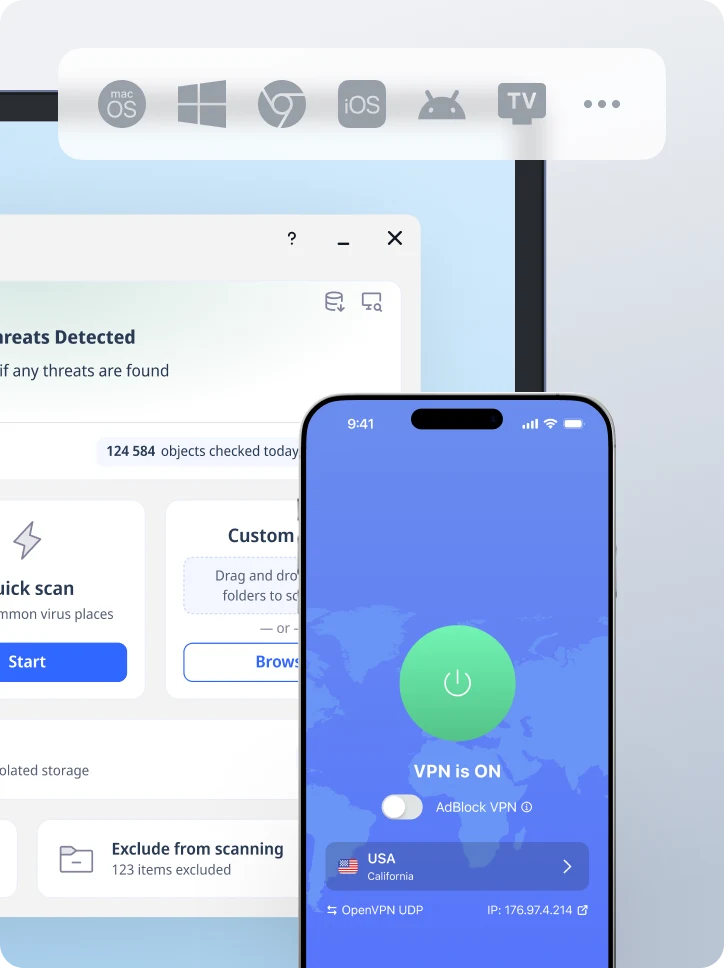
A VPN will not fix bad host settings inside Zoom. But it can still reduce risk around the meeting, especially on weak or public networks.
- Encryption. VeePN protects your traffic with AES-256 encryption. That helps when you join Zoom video calls from cafés, airports, hotels, or any place where shared Wi-Fi creates extra security concerns.
- Changing IP. VeePN hides your real IP and gives you another one. That makes casual tracking harder and adds a useful privacy layer when you want better security and privacy while working remotely.
- Kill Switch. If the VPN drops, Kill Switch blocks traffic so your data does not quietly leak onto an unprotected network. This is especially useful when your connection is unstable during important meetings.
- NetGuard. NetGuard helps block malicious sites, shady links, and trackers. That is useful if fake meeting invites or phishing pages try to steal Zoom accounts or other login details.
- Breach Alert. Breach Alert warns you if your credentials appear in breach data. That gives you a chance to change passwords before attackers try to use them on the dark web or in account takeover attempts.
- No Logs policy. A privacy tool should not become another privacy problem. VeePN’s No Logs policy matters because it is built to protect your browsing, not quietly track it.
Want an extra privacy layer for risky networks, work logins, and daily video calls? Try VeePN with a 30-day money-back guarantee.
FAQ
Yes, but only if the settings are handled properly. For business Zoom video calls, use end to end encryption, strong access controls, passcodes, and the waiting room feature. For very private topics, avoid loose recording settings. Discover more in this article.
The easiest wins are simple: protect Zoom accounts with two factor authentication, turn on passcodes, avoid public meeting links, and restrict screen sharing. Those steps do a lot to reduce everyday security issues. Discover more in this article.


VeePN is freedom
Download VeePN Client for All Platforms
Enjoy a smooth VPN experience anywhere, anytime. No matter the device you have — phone or laptop, tablet or router — VeePN’s next-gen data protection and ultra-fast speeds will cover all of them.
Download for PC Download for Mac IOS and Android App
Want secure browsing while reading this?
See the difference for yourself - Try VeePN PRO for 3-days for $1, no risk, no pressure.
Start My $1 TrialThen VeePN PRO 1-year plan