Deutsch
  Español
  Français
  العربية
  Indonesia
  Italiano
  한국어
한국어  Nederlands
  Polski
  Português
  Türkçe
  简体中文
简体中文  ไทย
ไทย  Tiếng Việt
  Čeština
  فارسی
فارسی  Română
  Filipino
  日本語
日本語 


Free Anonymous Email Account: Email Without Exposing Yourself
A free anonymous email account can be a smart way to protect your inbox, lower spam, and separate your real life from random websites and sign-ups. It gives you a buffer between your main inbox and the many services online that ask for an email before you can do anything.
But still anonymous email accounts do not make you invisible by default. In case you use your real name, add your normal phone number connected without hiding your IP address, you can still leave a trail and anonymous email just won’t work as you expect. The goal is to share less, reveal less, and make it harder to tie your online identity to your real one.
 Oliver Bennett
 Quick Navigation
2. Best free anonymous email account options worth trying
3. How end-to-end encryption changes what your email provider can see
4. Free anonymous email services vs paid anonymous email services
5. How to set up anonymous email without exposing more than you have to
6. How VeePN helps when your anonymous email still needs network privacy
FAQ
Yes, this matters in real life:
- In April 2025, attackers abused Google infrastructure and DKIM-signed messages to send very convincing phishing emails.
- In June 2025, a US judge gave preliminary approval to a $177 million AT&T settlement over 2024 breaches that exposed personal data for tens of millions of customers.
That is why more people now look for safer ways to communicate and limit fallout from a data breach or data leaks.
What a free anonymous email account actually protects
A good anonymous email service helps in a few simple but important ways.
- It keeps your main personal email away from every newsletter, forum, store, or trial account you try. That alone cuts spam and reduces how many companies can connect your shopping, browsing, and sign-up habits.
- It helps protect your personal details. A proper anonymous email address can stop you from handing over your real inbox, and some providers let you register without providing personal details at all. That creates more distance between your real identity and your everyday web activity.
- It can improve private communication. The better anonymous email services add end to end encryption, lower data collection, and in some cases reduce or avoid long-term IP logging. That means your messages are much harder to read or profile, both by attackers and by the email provider itself.
One more thing is worth clearing up early. Temporary email addresses and a long-term secure email account are not the same thing. A burner temporary address is good for fast sign-ups and spam control. A real anonymous account is better when you want to keep using it, build safer habits, and actually communicate securely.
If you want to go deeper, read about secure email basics, email masking, and email spoofing.
Best free anonymous email account options worth trying
There is no single best anonymous email service for everyone. The best free anonymous email depends on whether you want long-term messaging, quick throwaway sign-ups, or lots of email aliases.
Proton Mail
Proton Mail is one of the easiest starting points for anyone who wants a free anonymous email account that still feels polished. It offers end to end encryption, zero access encryption, a usable free plan, and a solid set of mobile apps. It is a strong pick for personal use because it balances privacy with a clean interface, and Proton says its system is designed so that only you can read your emails.
Tuta
Tuta is a strong choice if your top priority is privacy and minimal exposure. It offers a secure email service with end to end encryption, says it does not require a phone number for signup in its anonymous email flow, and highlights no tracking and no IP logging in its privacy materials. It also has mobile apps, an intuitive interface, and extra tools like an encrypted calendar, so it works well as a daily private email service, not just a backup inbox.
Mailfence
Mailfence is worth a look if you want a more classic privacy toolset with OpenPGP encryption. It explicitly supports OpenPGP encryption, and it also includes an encrypted calendar, document tools, file storage, and options that make sense for people who want both privacy and productivity. It is especially useful when you need a secure email accountthat can grow into a more complete setup with custom domains and more advanced controls.
Addy.io
Addy.io is different from a full inbox provider. It is best when your main goal is hiding your real inbox behind email aliases, multiple aliases, and flexible email forwarding. You can create aliases for every site you use, reply from those aliases, and protect your real address from spam, profiling, and easy tracking.
Guerrilla Mail
Guerrilla Mail is the fast option for one-off use. It gives you temporary email addresses without a full signup flow, lets you quickly receive messages, and its messages are deleted after one hour, which is why it is often used as a burner temporary address for quick verifications. The tradeoff is simple: it is handy, but it is not the right tool for sensitive private communication because convenience is the main point here, not full encryption.
How end-to-end encryption changes what your email provider can see
This is where many people get confused. Basic transport security protects messages while they move between servers, but end to end encryption is what keeps the content unreadable to outsiders and, in some cases, unreadable to the provider too. That is the difference between “secure in transit” and “private by design.”
With strong encrypted email, the message is meant for only the intended recipient. Proton says its model uses zero-access encryption, and Tuta says the mailbox is end-to-end encrypted by default. Mailfence takes a more traditional route with PGP encryption and OpenPGP encryption, which some users prefer because it is a widely known open standard.
That said, encryption does not fix everything. The sender’s identity, subject handling, account habits, and even your visible IP address can still matter. Some privacy-focused providers also reduce IP logging or even strip IP addresses from emails to improve privacy, but that depends on the provider, so it is worth checking the details before you sign up.
Free anonymous email services vs paid anonymous email services
A lot of readers only need the free tier. Others hit the limits quickly. Here is the practical difference between free anonymous email services and paid anonymous email services:
- Go with free if you want basic privacy and lighter use. A free plan is usually enough for sign-ups, newsletters, one personal inbox, and lighter free communication. It is a good way to test an anonymous email setup before moving your routine into it.
- Pay if you need more room and more control. Paid plans usually add more storage, more email aliases, better advanced filtering, support for custom domains, and sometimes better admin tools. They also tend to make more sense for work, teams, or anyone who wants a privacy-first inbox to replace a mainstream provider.
- Pay if you want a real long-term setup. A stronger paid setup is often the better option when you need dependable spam filtering, more encrypted storage, or extras like encrypted cloud storage, file storage, and priority support. Free is good for testing. Paid is better when privacy becomes part of your everyday routine.
How to set up anonymous email without exposing more than you have to
If you want to send an anonymous email well, setup matters just as much as the provider.
- Pick the right tool for the job. Use a real anonymous email account for regular messaging, and use burner inboxes only for low-risk sign-ups.
- Do not use your real identity during registration. Skip your full name, real city, real address, and any extra personal info unless the service truly requires it.
- Hide your IP address before you create the account. A VPN helps reduce exposure on public Wi-Fi and keeps your visible IP address from being tied to the new mailbox. Proton’s own guidance says hiding your IP is a key part of anonymous email use.
- Use aliases, not your main inbox, for sign-ups. This makes it easier to shut off spam later and keeps your real inbox out of more databases.
- Be careful with attachments. Office files and photos can contain hidden metadata, and unexpected attachments can carry malware. Microsoft and the EU Publications Office both recommend removing hidden personal data before sharing documents, and Cloudflare warns that email attachments can be a serious infection route.
- Lock the account down after signup. Use two-factor authentication and a password manager. Those two steps will do more for your inbox than most people realize.
How VeePN helps when your anonymous email still needs network privacy
Your email service is only one part of the story. If your connection is exposed, your privacy can still leak before the message even leaves the device. That is where VeePN fits naturally.
- AES-256 encryption. VeePN encrypts your traffic before it leaves your device, which is especially useful on public Wi-Fi. That adds protection around your anonymous email activity, not just inside the mailbox itself.
- IP address masking. VeePN hides your real IP address, which makes it harder for trackers, snoops, or unsafe networks to connect your new inbox to your location. That is one of the simplest ways to better remain anonymous online.
- Kill Switch. If the VPN connection drops, Kill Switch helps prevent your traffic from spilling onto the open connection. That matters when you are logging in, sending attachments, or creating a new anonymous account on the move.
- NetGuard blocker. VeePN’s blocking tools can help reduce exposure to malicious domains, trackers, and some phishing pages. That is useful when fake login pages or bad links try to steal access to your secure email account.
- No Logs policy. A privacy tool should not create a second privacy problem. VeePN positions its service around not storing user activity logs, which is exactly the kind of approach privacy-minded users want when they are trying to lower exposure overall.
If you want more private email habits without making your workflow complicated, VeePN is a practical add-on. Try it with a 30-day money-back guarantee and see how it fits your routine.
FAQ
Not fully, and that is important to understand. A free anonymous email account can hide your main inbox, reduce data collection, and protect some personal details, but it will not protect you if you use your real identity or leave your visible IP address exposed. Discover more in this article.
For long-term private communication, Proton Mail and Tuta are usually the safest starting points. If you mainly want email aliases, Addy.io is very practical. If you only need a temporary address to receive messages and avoid spam, Guerrilla Mail is faster. Discover more in this article.


VeePN is freedom
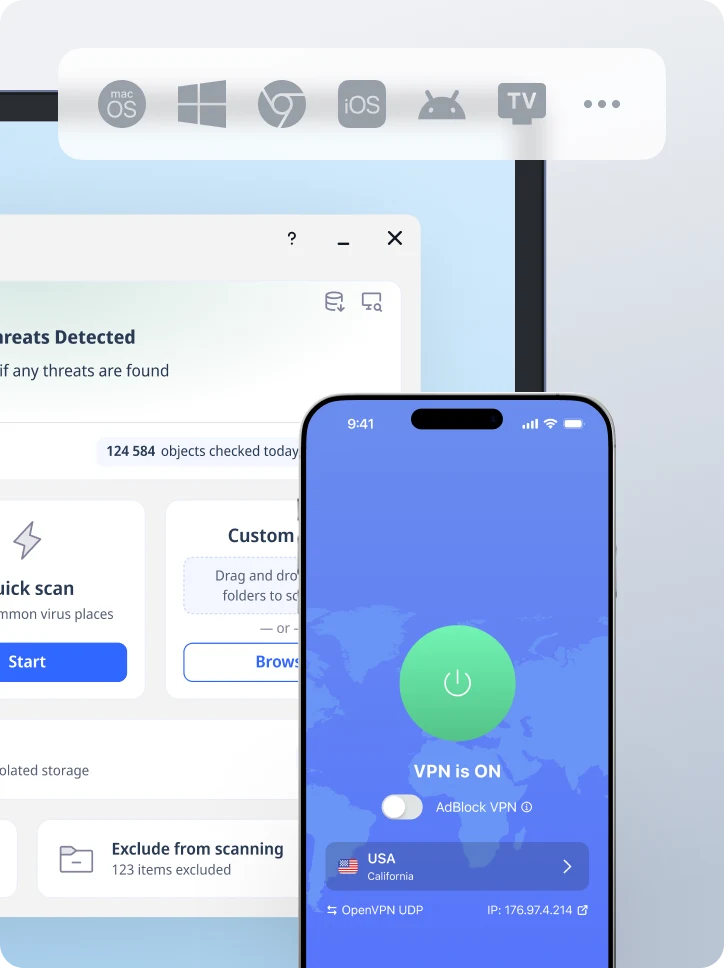
Download VeePN Client for All Platforms
Enjoy a smooth VPN experience anywhere, anytime. No matter the device you have — phone or laptop, tablet or router — VeePN’s next-gen data protection and ultra-fast speeds will cover all of them.
Download for PC Download for Mac IOS and Android App
Want secure browsing while reading this?
See the difference for yourself - Try VeePN PRO for 3-days for $1, no risk, no pressure.
Start My $1 TrialThen VeePN PRO 1-year plan