Deutsch
  Español
  Français
  العربية
  Indonesia
  Italiano
  한국어
한국어  Nederlands
  Polski
  Português
  Türkçe
  简体中文
简体中文  ไทย
ไทย  Tiếng Việt
  Čeština
  فارسی
فارسی  Română
  Filipino
  日本語
日本語 


What Privacy-Conscious Users Should Know About Encrypted SNI
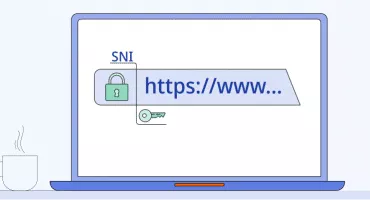
Did you know that your online privacy can be compromised as soon as you request the server to enter a particular website? The thing is that the TLS 1.3 security protocol, which is supposed to protect your data from being tracked, lacks encryption at the very beginning of client-server communication. This is due to the SNI TLS extension that helps access websites with the same IPs, yet lessens users’ security at the same time. When SNI is exposed, third parties such as ISPs and firewalls can track users and compromise the privacy of internet users by monitoring which websites they visit. Luckily, there is a solution to this issue called encrypted SNI (ESNI). By encrypting the SNI, ESNI provides an additional encryption layer to keep your data away from hackers, censors, and online snoopers, helping to prevent tracking and protect the privacy of internet users. But how does ESNI work exactly and is it enough to ensure your anonymity? Read on to find out.
 VeePN Research Lab