VeePN Research Lab

VeePN Research Lab

VeePN Research Lab is dedicated to provide you latest posts about internet security and privacy.

Articles by VeePN Research Lab

What Is a VPN Tunnel and How It Works
All about VPN 8 min read

What Is a VPN Tunnel and How It Works

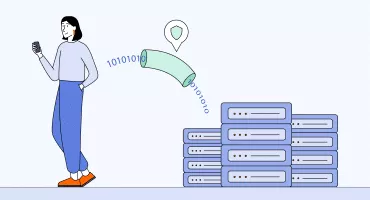
Virtual Private Networks (VPN) and tunnels are two pieces of the same cybersecurity puzzle. Although certain of us can make the two interchangeable, VPN does not always imply a tunnel and vice versa. It is not quite that simple so we shall proceed with what a VPN tunnel is and how does the process of tunneling occur. An effective VPN...

What Is Google Critical Security Alert: Scam or Not? How to Get Rid of It
All about VPN 10 min read

Don’t Ignore Google’s Critical Security Alerts: How to Protect Your Online Identity

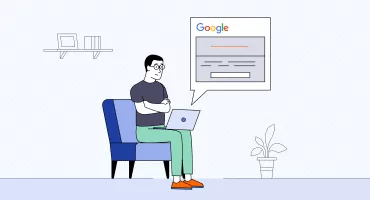
Got an email from Google that says something fishy is going on in your account? Could be one of Google’s critical security alerts — a useful online security feature you shouldn’t ignore. But it could also be a scam, meant to get your personal information. Read along to find out all about a (real) Google security alert, and how to spot a fake.  

Worried About Hotel Wi-Fi Security? Use a VPN to Browse Free Internet Safely
All about VPN 12 min read

Worried About Hotel Wi-Fi Security? Use a VPN to Browse Free Internet Safely

"When do I get the Wi-Fi password?" is the first question you probably ask when checking into a hotel and getting free internet. And let's face it, a good Wi-Fi connection is a lifesaver while traveling - you can check emails, book your flights, and binge-watch your favorite shows. But do you ever wonder just how safe that hotel Wi-Fi network really is? The truth is, hotel Wi-Fi is a cybercriminal's paradise - and your sensitive data could be at risk.

How to Unsync Google Accounts
Good to know 6 min read

How to Unsync Google Accounts

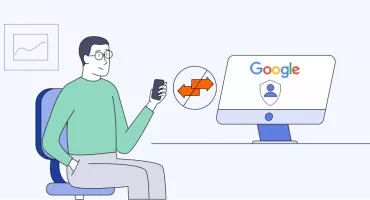
It is convenient when you can synchronize data among several devices. But when stuff that you did not wish to share begins appearing where it should not, then you will have to do something about it. If you use a Google account that’s oversharing with other devices, the time to unsync has arrived. Let’s discuss Google sync and how you can disable the feature in Chrome and other places.

Are Free VPNs Safe to Use?
All about VPN 27 min read

Are Free VPNs Safe to Use?

You have to wonder whether free VPNs are safe to use - and no wonder you do either. I mean, virtual private networks - or VPNs for short - can be a total game-changer for your online security. But are free VPNs up to the job? Lets take a closer look and figure out if they're really worth using. Of course, not all VPNs come with a price tag - though most of 'em do. But in recent years, an awful lot of free VPNs have started popping up online. Not surprising really - who doesn't love the idea of getting something for nothing? But the thing is, many of these free VPNs have started cutting corners and putting your personal data at risk. Some even slow down your internet speed - and to make matters worse, many free VPNs collect and sell user data to advertisers and data brokers. With so many options out there, its really crucial to do your research and compare different VPNs - their policies on user data, what features they offer, and all that jazz - to make sure you get a provider that meets your needs. If you're on the hunt for a VPN that will keep you safe online without putting your data at risk, then you should take a look at VeePN. It's got all the right credentials - a top of the line 256-bit AES encryption, a double VPN and a super strong network of 2,500 servers in 70 countries. And at the end of the day, that's just what you want from a VPN - something that works and keeps you safe. So why not give VeePN a go and give your online security and privacy a bit of a boost ?

What Is an Evil Twin Attack and How to Prevent It
Cybersecurity 7 min read

What Is an Evil Twin Attack and How to Prevent It

Some of the most unsettling cyber attacks are the ones you don’t notice as they happen. You may find your accounts suddenly hacked, your finances gone, and your private information posted on the internet without knowing where or when the breach occurred. You could be the victim of an evil twin attack. Evil twin is a particularly sneaky form of...

Off-Facebook Activity: What Else Does Facebook Know About You?
Digital privacy 7 min read

Off-Facebook Activity: What Else Does Facebook Know About You?

You may think that it’s an insane idea that Facebook monitors all your activities while you’re not using this social media. However, the reality supports this point. This platform indeed collects your off-Facebook activities. Why they need it? Well, to know more about you, maybe to sell your personal data to third party websites. So, if you want to save your online...

What to Do if Computer Is Hacked: A Guide and Tips for Protection
Cybersecurity 10 min read

What to Do if Computer Is Hacked: A Guide and Tips for Protection

Cyberattacks impacted over 422 million people. And that’s only 2022 we’re talking about. The number is staggering, and allows to conclude that no one is safe online. But if you want to know how to get rid of a hacker on your computer or how to protect yourself, you're in the right place. In this post, we'll cover what to do if your computer is hacked and share tips for keeping your information secure. Let’s go!

Get Revenge On Spam Email Scammers
Cybersecurity 6 min read

How to get back at email spammers

With the rapid growth of technology, scams have become a norm. This article will give you practical tips on how to get back at email spammers and protect yourself from their tricks. You can get spammed by multiple spammers in one day. The spammers’ messages are actually spam sent to your device and your inbox. But it can be very dangerous spam. You can get messages which once replied can bring bad consequences. For example, a phishing email may look like it’s from your bank and ask you to click a link to verify your account, but it’s designed to steal your info. In fact, you can let hackers access your computer or phones once you reply to spam messages and lose control over your inbox and devices. Moreover, when you click a link sent to you by unknown senders, you can let hackers access your PC or install malware on your device. There are too many scam schemes. It’s even hard to list them all. You can face multiple scam attempts in your lifetime. They can be both personal and corporate. Spammers send emails that look like they’re from trusted sources to trick you into giving away sensitive info. Hackers can create new user credentials or install malware after a successful phishing attack. If you reply to spam emails, you can get hacked and lose control over your accounts. Email addresses are harvested from various pages and mailing lists online, making your inbox a frequent target. How to deal with all those internet trolls and spammers? How to get back at spammers?The best way to get back at spammers is to never let them win. This is a fact. Once you have bulletproof PC security and never fail to stay safe online, you’re already a winner. Don’t bother to reply to their messages or check any suspicious link they send. Just make sure to delete suspicious emails as a step in managing spam. Always report spam using your email provider’s report function to help combat spammers. You can also forward suspicious emails to anti-spam services or bots for further action. Just make sure your computer or other devices like phones have advanced security system, latest version of antivirus software and any extra tools you need to keep your sensitive data secure. Having control over your inbox and devices is key to prevent spam, malware and unauthorized access. Wasting a spammer’s time is a form of non-violent revenge and some anti-scam tactics give spammers a taste of their own medicine by engaging them in endless conversations. Companies may use chatbots to engage spammers and automation tools can waste the job or effort of spammers. Some anti-spam tools or chatbots may be offline now but can return in the future. Wasting spammers’ time can ultimately save you money by preventing financial loss.