Deutsch
  Español
  Français
  العربية
  Indonesia
  Italiano
  한국어
한국어  Nederlands
  Polski
  Português
  Türkçe
  简体中文
简体中文  ไทย
ไทย  Tiếng Việt
  Čeština
  فارسی
فارسی  Română
  Filipino
  日本語
日本語 


Protecting Your Home Computer from Cyber Threats – Why It’s Not Optional
These days your home computer is so much more than just a tool – it’s the key to all your personal and financial records, your lovingly preserved photos, your work projects, and your private messages. Plus, to protect your financial accounts from being compromised, you should be using strong authentication methods and extra security measures to keep those nasty hackers and identity thieves at bay. Which only makes it a prime target for all sorts of threats, from malware to hackers. Whether you’re just browsing the web or working from home full-time, keeping your home computer safe isn’t optional – it’s essential, and following the advice of top-notch cybersecurity experts is the foundation of any effective protection strategy.
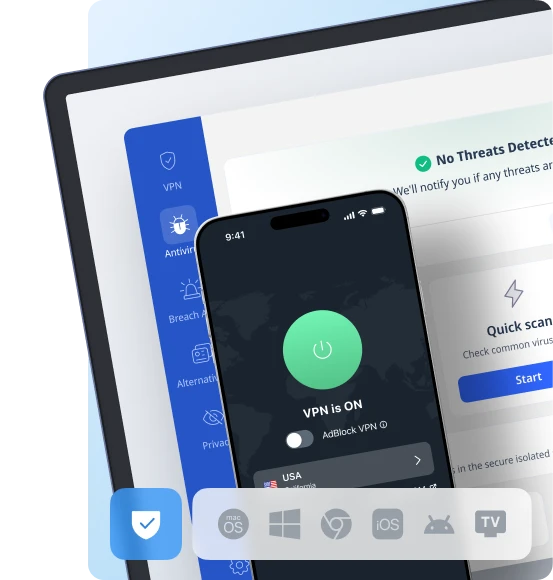
In this write-up you’ll find out how to keep your computer safe from cyber threats and why an app like VeePN is a vital part of your digital security plan.
 VeePN Research Lab

 Quick Navigation
Why VeePN Should Be Your First Port of Call
You might think your home Wi-Fi network is as safe as houses, but the truth is that every time you go online you’re exposing yourself to security risks. You can get caught out by phishing sites, unsecured connections and all sorts of data harvesting – there are loads of ways that attackers can target your device. That’s where VeePN comes in.
🔒 Encrypts your entire Internet connection, protecting all of your emails, banking and everything else in between.
🛡️ Hides your IP address and keeps you from getting tracked and reduces your exposure to cyber threats
🌎 Lets you safely browse on public WiFi, remote connections and shared networks, with protection and safety features built right in
🚫 Blocks ads, malicious sites and trackers that may inject malware or steal your data, using DNS filtering and advanced web protection to block bad sites before they even load
📱 Works on all devices — not just your home computer, but mobiles and tablets as well
Pairing VeePN with some good habits ensures you’re covered from all angles when it comes to digital threats.
Antivirus Protection: Your First Line of Defence
Antivirus software is virtually the backbone of home computer security – it is the initial line of defence against any type of threats. The majority of the current operating systems, such as windows and macOS, are equipped with inbuilt antivirus software, such as windows defender. These in-built tools are a reasonable starting point though they might not be sufficient with the presence of cyber threat developing.
In order to have your computer truly safe, you will need to install a few more antivirus programs, including such features as real-time scanning, automatic updates, and proactive detection of threat. These tools literally are working 24-hours to identify and thwart any new threats before they can harm any of your files or personal data. And, needless to say, automatic updates are virtually a necessity to ensure that your antivirus software is well updated to handle the most recent viruses and malwares.
When choosing antivirus software to use in your home computer, consider those with compatibility to your operating system, convenient to use, and offer good protection. And never forget to update your antivirus software – outdated software is likely to expose your system to potential new threats which are being generated daily.
Top Tips to Keep Your Home Computer Safe
1. Install Antivirus and Anti Malware Software
An antivirus program is pretty much your first line of defence against all sorts of viruses, trojans, spyware and ransomware. Choose reputable software like Bitdefender, Norton or Malwarebytes and get it set to update automatically. And, just for extra protection, consider using some antispyware software to detect and prevent spyware infections.
2. Keep Your System and Software Up to Date
Outdated operating systems and apps often have security holes that hackers can exploit. So make sure you’re running the latest software and get into the habit of installing software updates for all of your applications and operating systems as soon as they become available. Enable automatic updates for Windows, macOS, browsers and third-party software to reduce the risk of getting caught out. And use Windows Update to keep your system secure – install software updates promptly to address security holes and prevent malware infections.
3. Use a Strong Firewall
Your operating system’s firewall should always be turned on – it helps to monitor and block any suspicious traffic coming in or going out. Configure your built-in firewalls on both your computer and home router for extra protection. Home routers should have their firewalls enabled and properly configured too. Follow the instructions for setting up firewalls and antispyware software to ensure you’re really secure. And, if you’re feeling adventurous, you can even consider using a hardware firewall on your router.
4. Set Strong Passwords and Use a Password Manager
Use complex, unique passwords for each account (including special characters for an extra layer of security). Don’t store them in a text file on your desktop – and instead use password management best practices and tools like Bitwarden or 1Password to generate and store passwords safely. And make sure to use unique passwords for all of your accounts and never reuse any of them. And keep an eye out for any new accounts created in your name, especially after a data breach has happened.
5. Back Up Your Files Regularly
Ransomware attacks can lock you out of your files for good. So always keep backups on an external drive or cloud storage (or both). Set up automated backups for peace of mind.6. Be careful with emails and downloads Don’t just start clicking on links in emails from people you don’t know or download attachments from sources you can’t trust. Phishing attacks can look like legit messages from your bank or another service provider but they can be very convincing. When you are downloading files, get in the habit of scanning them for malware and using your antispyware software to protect your device. Before you even think about entering any private info on a website, check the address bar to make sure it’s secure (HTTPS and that padlock icon are your friends).
7. Lock down your home networkDon’t leave your router with its default login credentials – change them ASAP and use WPA3 encryption if you can. You can also hide your Wi-Fi SSID and set up a separate network just for visitors. Secure all the connections between your devices and the internet and block any dodgy websites by using DNS filtering – it’ll make your online experience a whole lot safer.
8. Create separate user accounts on your computer Limit what people can do with your computer – not everyone needs admin access. Set up a non-admin account for day to day use and save the admin account for when you need to install software or make changes to the system. This way, if someone does manage to get into your non-admin account, they won’t be able to mess with your important files or system settings.
9. Use a VPN to keep your browsing and data safe. Even when you’re just at home, using a VPN like VeePN adds an extra layer of protection to your online activities. It helps hide your traffic from anyone who might be snooping on you, protects you when you’re on public Wi-Fi and encrypts all your sensitive stuff like bank accounts and passwords. Using a VPN is a no-brainer if you ask me.
10. Use two-factor authentication. Whenever you can, use multi factor authentication on all your accounts – email, cloud storage, social media – the lot. This extra security step makes it so much harder for bad guys to get in, even if they do somehow manage to guess your password.
11. Keep an eye out for suspicious stuff. Regularly go through your system and look for anything out of the ordinary – weird behaviour or unauthorized access attempts for example – to spot and stop threats early on.
12. Online Safety for Younger Children. If you’ve got kids using the internet at home, make sure you’re using parental control software to stop them getting into places they shouldn’t and keep an eye on what they’re up to. It will give you peace of mind and help provide a safer online experience for them.
Why VeePN fits in with all these other measures
Antivirus and firewalls are all about blocking threats when they turn up but VeePN is all about prevention — it stops your data getting intercepted in the first place. It’s an integral part of a bigger suite of security services – all geared towards keeping your data secure by encrypting your internet traffic and shielding your online activities. It’s pretty essential for anyone who is remote working, online shopping, gaming or managing their finances digitally.
You can even set VeePN up at the router level to protect not just your PC but all your devices around the house – the smart TV and tablet included. This way, every device on your network is nice and secure when you’re all connected to the internet.
The Final Word
Make your home a Cyber Fort. Protecting your home computer is not about one single solution – it’s about building layers of protection. From good antivirus software to a strong password to regular backups and secure browsing with VeePN – every step helps to close the gaps that attackers love to exploit.
Don’t wait for disaster to strike — get started with VeePN today and turn your home computer into a secure fortress of digital privacy and security.


VeePN is freedom
Download VeePN Client for All Platforms
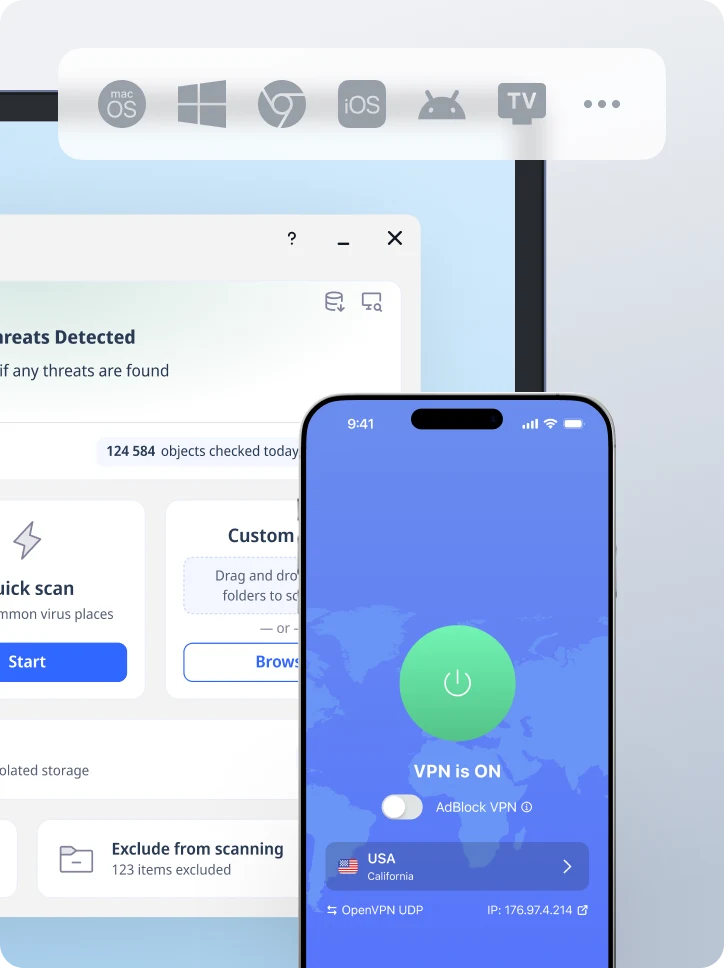
Enjoy a smooth VPN experience anywhere, anytime. No matter the device you have — phone or laptop, tablet or router — VeePN’s next-gen data protection and ultra-fast speeds will cover all of them.
Download for PC Download for Mac IOS and Android App
Want secure browsing while reading this?
See the difference for yourself - Try VeePN PRO for 3-days for $1, no risk, no pressure.
Start My $1 TrialThen VeePN PRO 1-year plan