Deutsch
  Español
  Français
  العربية
  Indonesia
  Italiano
  한국어
한국어  Nederlands
  Polski
  Português
  Türkçe
  简体中文
简体中文  ไทย
ไทย  Tiếng Việt
  Čeština
  فارسی
فارسی  Română
  Filipino
  日本語
日本語 


How to Send Anonymous Email so You Cant be Tracked
Not too long ago, things took a nasty turn for OpenSea. The NFT giant reported on a major email data breach. They warned all their users that if anyone had shared their emails with OpenSea, they could quickly become a target for some very nasty cyber crooks.
In 2022, Marriott International got hit with another big data breach. Hackers swiped a whopping 20GB of their guests’ most sensitive data.
There are loads of cases just like this. How can you be certain that next time it’s not your email data that gets nicked? When you hand over your email address or any other personal info to web platforms or offline businesses like hotels, you are essentially leaving yourself open to having your personal data nicked. Email addresses are top of the list for the most frequently leaked personal details online.
To keep your online identity safe and hidden, many users head for anonymous email services. These privacy-focused tools keep your communcations safe and secure – so no one can trace who you are.
From sending just a few advertising flyers to nicking your financial details, scammers can give you a whole load of hassle and hit you in the wallet. But that’s the least of your worries if the scammers get their hands on your email address. They can easily start digging up more information about you and use that to further their own dodgy plans. And if you use your real email for online signups, you’re just begging for a rubbish inbox full of spam – that’s just making email management and keeping your personal info safe a total nightmare.
 VeePN Research Lab
 Quick Navigation
What personal data is at risk from your email?
Leaving your email address on a web platform might seem like no problem – just a digital address where you get your emails. But protecting your personal info is a must, because if your email address gets nicked, that exposes you to the risk of someone finding out who you are. It’s not exactly the same as handing over your bank card number and password, is it? But knowing your email address gives hackers a foot in the door and they can just waltz in and nick all your sensitive info – with some pretty nasty consequences to boot.
But what else can the hackers get hold of if they already have your email? It’s worth remembering that getting 100% anonymous online is pretty much impossible – everything you do online leaves some kind of digital trail that can be used to track you.
Your log in credentials
One of the most common scenarios is phishing. It works something like this: hackers send you a fake email, which looks like it’s from a trusted source, asking you to click a link and then you’ll need to enter some extra info. Once they’ve got that, they crack your email account and nick your log in credentials.
Some email services will ask you for a backup email address, just in case you forget your password. But giving them a backup email – even a fake one – is a bit of a risk. It’s because your backup email might be linked to your real identity.
Your personal info
If hackers get their hands on your email address, they can start digging up all sorts of personal info about you – like your name, workplace, colleagues, their email addresses… and loads of other details that can be used to do some real damage.
Your passwords to other online accounts
If hackers crack your email address and get your password, you could be in real trouble – they might be able to nick your passwords for all the other online services you’ve signed up for.
You need to be stricter about managing your anonymous email account – that means keeping an eye on your privacy settings and making sure your encryption is watertight.
Your financial details
Some phishing emails might be designed to get your financial info – and they can look pretty convincing, as if they’re from a trusted source. If you fall for it and click on the link, you might be handing over your credit card details… and that’s not something you want to think about.
It’s worth noting that while anonymous email services can help keep you safe, using them for dodgy stuff – like harassment, sending threats or perpetrating online scams – is a no-no and could land you in hot water.
Your IP address and location
Some email providers collect things like your IP address and location. But that data can be nicked in a data breach too. Your IP address can be used to hack into your device or nick your online identity. And if you use public Wi-Fi to check your email, that just makes things worse. You should always use a VPN when you’re using public Wi-Fi so that your connection is encrypted and safe.
As you can see, an email is a pretty dodgy thing to have hanging around. It can put your personal info at risk. So keep your wits about you and take care of your online privacy – an anonymous email is a good way to do that.
Send an anonymous email without getting caught
You can’t keep your email address a total secret from the world, but that doesn’t mean you can’t take steps to keep it fairly private when sending emails. The key is to create a new email account or use an anonymous email account that you can use just for this purpose, without having to give over any personal info and with features that help keep your message private.
Another thing you can use is a burner email – that’s a temporary email address that you can make up on the fly to use for specific things without revealing your real identity.
Secure Email Services to the Rescue
Now, most major email services do offer some level of security for their users, but let’s be real – you can’t always be 100% sure that your data is safe. One way to be safer is to use a secure email service that uses end-to-end encryption – these services are designed with privacy in mind and often allow you to use an email account without giving over any personal info. Some of them even offer features like email aliases that can help keep your real address private.
Below, you’ll find some secure email services that you can use for private correspondence.
Proton – The Secure Email Service
Proton is a secure email service that uses end-to-end and zero-access encryption, so only you can read your emails. Not only that, but Proton will also shield your contacts list so that nobody can see any of your contact’s info. And if you are not sure that the recipient has a Proton inbox, you can send password-protected emails – nice feature!
Users of Proton can also create self-destructing emails that are automatically deleted after a set time. And if you are worried about who might be tracking your online activity, Proton can hide your IP address so that you can stay private.
Proton has three different plans – Proton Free, Proton Unlimited, and Mail Plus.
Mailbox.org – Super Private Email Service
Mailbox.org is another email service that’s all about keeping your data private. They use encryption algorithms and communication protocols like PGP and TLS to make sure your emails are secure. And the best part? You don’t have to give over any personal info when you create an account.
One of their features is PGP encryption, which creates two keys – public and private – so that only the person with the private key can read the message. And then there’s TLS check, which makes sure your emails are sent over a secure connection.
Mailbox.org also filters out spam and malware for you, and they have three different plans – Light, Standard, and Premium – as well as a 30-day free trial period.
Temporary Email Addresses are Handy Too
A burner email is a temporary email address that can be created in a few seconds, often using a fake name, to help keep your real identity under wraps.
These kinds of email services are super useful for people who do investigative journalism or whistleblowing – they really are an important tool for keeping some things private in the digital age.
Tutanota – Yet Another Secure Email Service
Tutanota is another email service that uses end-to-end encryption, 2FA, and ad-free apps for Android, iOS, and desktop devices. With Tutanota, you can send anonymous emails and keep them stored in highly secure data centers. They also let you manage aliases and control over your email accounts – nice!
Oh, and if you are worried about your carbon footprint – Tutanota has got you covered too – their offices and data centers are powered by green energy.
Tutanota has plans for private and business users, and you can also add extra features at a cost.
Disposable Emails – Another Layer of Protection
Using a disposable email is another way to keep your real identity private. When you create a new email account for each use, it really makes it hard for anyone to track you down. And even if you do sign up for a service that requires registration, using a disposable email is still a good way to avoid spam and annoying marketing emails.
Disposable Email Services – Just Use and Throw
Disposable email providers usually don’t require registration, so you just go to the website and an email address is automatically generated for you. It’s also a neat way to avoid all the junk mail you won’t need.
Create Yourself a Fake Email Account
If you don’t mind the hassle of creating a phony email account with some fake info about yourself, you can do that to protect your personal details. And honestly, if you just make up all the info you provide, there’s nothing to worry about – your sensitive data won’t get shared or nicked in a nutshell.
Hide your IP address
When you create anonymous email accounts, you do cut down the chances of someone stealing your data. But there’s still a risk lurking – some email providers will collect your IP address. To cover your tracks, you can use VeePN – an ultra-secure VPN service that basically creates a barrier between your traffic and the outside world, encrypting everything along the way. This lets you stay low-key no matter where you are in the world or what platform you’re on.
You can get VeePN up and running with a few simple steps: pick a subscription plan, download the app, and choose a server to hook up with. VeePN puts three subscription plans on the table:
- 1-month plan for $10.99
- 1-year plan for $5.83 a month
- 5-year plan for $1.67 a month
Keeping attached files secure
It’s not just the message content in your emails that can blow your cover – attached files can do the same thing. Many files, like documents, images or PDFs, contain hidden metadata that can reveal way more about you than you’d want to share. This metadata can include your actual email address, your IP address, your device info, as well as your name and location. If you want to keep your identity under wraps and protect yourself, it’s super important to lock down any files you send.
To stay private, always use an anonymous email service that can strip metadata from attachments. Some secure email providers automatically nuke metadata from files, so you’re protected by default. If your chosen email service doesn’t offer this feature, you can use a separate tool to remove metadata from files before sending them out. There are loads of free and paid tools online that can help you clean up your files and make sure no identifying info is left behind.
Before you send any attachments, double-check that all the metadata is gone. This extra step can make a huge difference in keeping you safe and stopping your real info from accidentally getting shared with the recipient. By taking these precautions, you can send anonymous emails with confidence, knowing that your attached files won’t blow your cover.
Keeping your data safe with VeePN
Your IP address, your browsing history, your name and location – hackers can get access to all of that just by cracking into your email. VeePN keeps your data safe and hides your digital fingerprints. When you connect to any one of VeePN’s 2500 servers across the globe, you can stay anonymous because no one gets to see your real IP. And VeePN shields your emails, social media, your photos, your passwords, financial info, your physical location and all the other stuff that might interest the wrong people.
On a separate note, VeePN offers a special feature: Anonymous Email that allows you create a fake email address, so that you won’t be bombarded with spam while you can enable redirection emails from selected addresses to your real mailbox.
Protecting client data and sensitive info is huge for businesses and professionals. The sender and header info in your emails can reveal details like your IP address, identity, and other metadata, which can put your privacy on the line. Using VeePN helps hide this information, but provider logs, VPN records, metadata, and investigation can still link you back to a message if they really want to. Even if you create a brand new Gmail account, use a virtual machine and a VPN, these steps only make it a bit harder to figure out who you are and still leave a trail that can link you back to the message. Just remember, the best way you’re going to get caught or suspected is by the people who already know what you’re sharing.
VeePN doesn’t just keep your valuable data safe from scammers, it also follows a strict no logs policy. VeePN doesn’t collect any of your data – IP, DNS queries, your device’s metadata, what you download or share, your sensitive info – VeePN has no idea who you are. And no, we don’t hand over any of that data to third parties either.
Use VeePN to keep your data private and prevent unwanted access or theft of your personal details.
Warning: Sending anonymous email is generally fine when used to protect your privacy, but using these services for dodgy activities can have serious consequences. Always keep within the law and use anonymous email responsibly.


VeePN is freedom
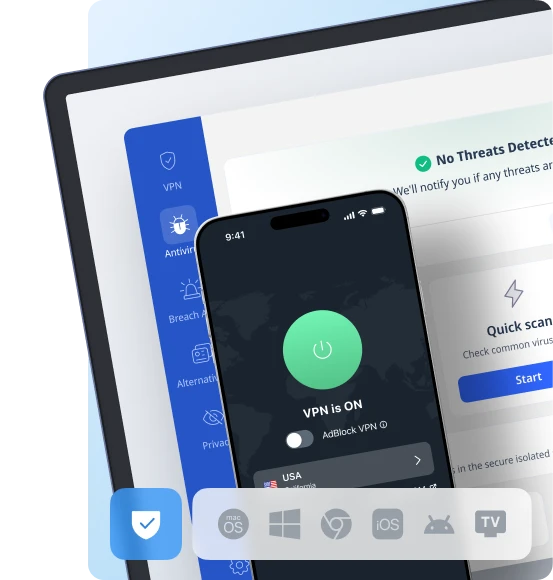
Download VeePN Client for All Platforms
Enjoy a smooth VPN experience anywhere, anytime. No matter the device you have — phone or laptop, tablet or router — VeePN’s next-gen data protection and ultra-fast speeds will cover all of them.
Download for PC Download for Mac IOS and Android App
Want secure browsing while reading this?
See the difference for yourself - Try VeePN PRO for 3-days for $1, no risk, no pressure.
Start My $1 TrialThen VeePN PRO 1-year plan